Why Now Is One of the Best Times to Build a Business in Payments.

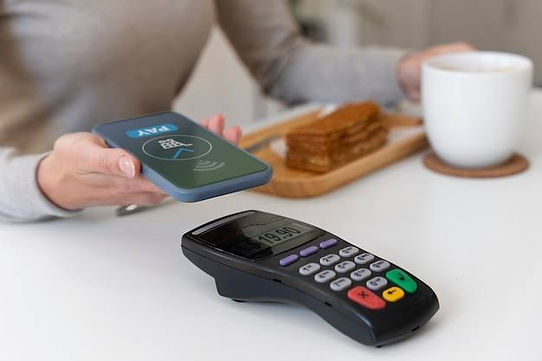
I’ll start with the honest caveat, because I’ve spent this whole blog refusing to sell fantasies: no industry is a guaranteed path to money, payments included. It’s competitive, it rewards patience over hype, and the people who treat it as a lottery ticket lose. With that said, I moved my career into this industry deliberately, and I’d make the same decision again today — arguably more so. Here’s the reasoning, laid out so you can judge it for yourself rather than take my word.
Start with the biggest structural fact: the world is moving toward digital payments and away from cash, and it has been for years, with no sign of reversing. Every year, more transactions happen by card, tap, and phone. More small businesses that used to be cash-only now have to accept cards to survive. More commerce moves online, where cash isn’t even an option. This isn’t a fad or a trend that might fade — it’s a long, slow, structural shift in how money moves, and it runs in one direction. When you build a business in payments, you’re positioning yourself in the current, not against it.
Second, consider the nature of the demand. Every business that accepts a payment needs payment processing. It’s not optional, not seasonal, not a nice-to-have — it’s infrastructure, as fundamental as electricity. Restaurants, shops, contractors, e-commerce stores, service providers, professionals: all of them need to get paid, and getting paid electronically means someone provides that capability. That’s an enormous, permanent, self-renewing market. You’re not trying to create demand for something people might want. You’re serving a need that already exists in every business around you.
Third — and this is the part that changed my life — the income model is recurring. I’ve written elsewhere about the difference between renting your income and owning it. Payments is one of the relatively few fields where an ordinary person, without capital or a franchise fee, can build a book of business that pays them month after month on work they already did. You build accounts, you serve them well, and the residuals stack. That structure is why I left a successful law career for this. It’s the closest thing I’ve found to building an owned asset from scratch through effort alone.
Fourth, the barrier to entry is genuinely low relative to the upside. You don’t need a degree, a large investment, or years of training to begin. You need to be willing to learn the business, be useful to merchants, and put in consistent work through the early stretch before the residuals compound. Compare that to almost any other path to building an owned income stream, and the accessibility is striking.
And fifth, the ground is still shifting in ways that create room. Payment technology keeps evolving — embedded payments, integrated software, new hardware, new ways for businesses to sell. Every shift creates new needs and new openings for people who understand both the technology and the businesses using it. The field is not static and closed; it’s dynamic and expanding.
Now the counterweight, because you deserve the full picture. It’s competitive. The early months are the hardest, when you’re working against a residual base that’s still small. It rewards the consultative, service-minded approach and punishes the fast-buck mentality. And “durable opportunity” means the reward is available to people who commit — not that it arrives on its own. This is a business you build, not a button you press.
But weigh it honestly: a permanent, growing, universal need; a low barrier to entry; and an income model that lets you own what you build. I looked at those fundamentals as someone whose entire career had been about analyzing risk and reward, and I moved. If the reasoning resonates with you, it’s worth a real conversation.
Curious whether this fits you?


Comments